

 Plus

 Menu


Demi Nguyen
November 26, 2026
Mindsparkle Mag


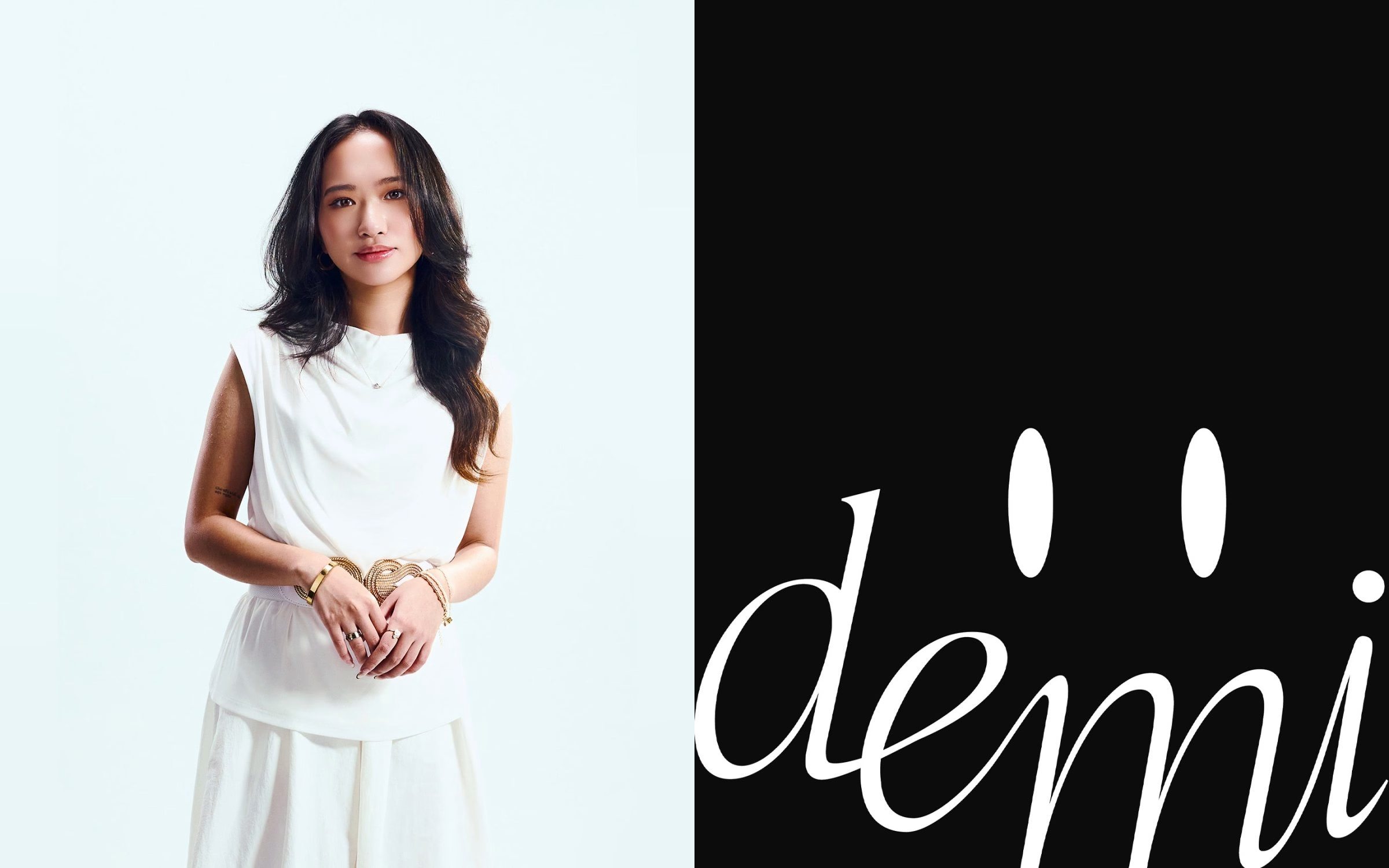
Demi Nguyen is a Vietnamese graphic designer whose path runs from Vietnam to Hungary to Texas. She earned her BFA in graphic design at Texas Christian University in Fort Worth, interned with KERA, North Texas's public media organisation, and now works as an in-house designer at Texas Instruments, where she helps make one of the world's most technical brands speak to a wider audience. Alongside the day job, she founded Vietype, an archive of Vietnamese hand-drawn book cover typography from the 1960s to the 1980s.
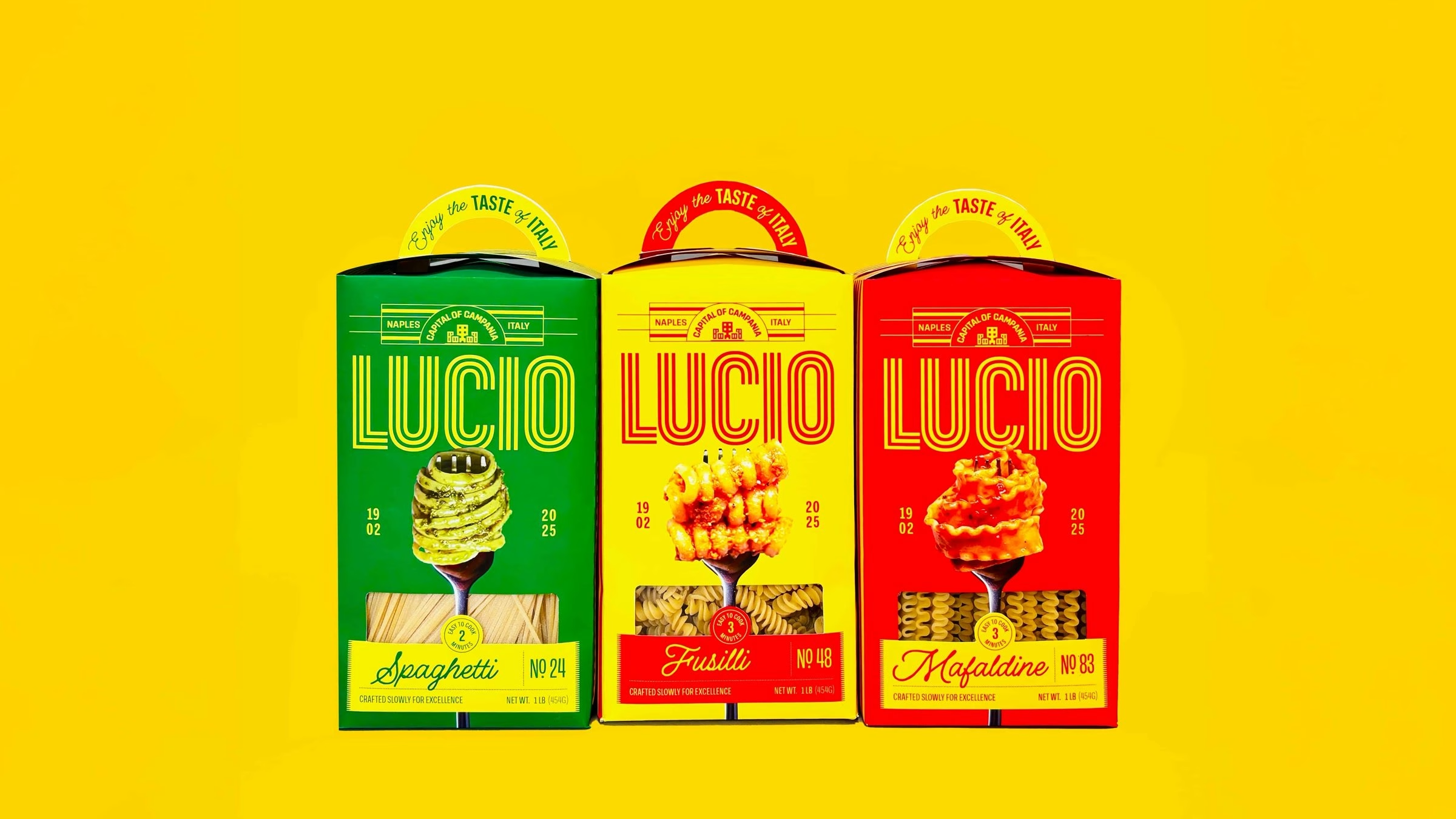
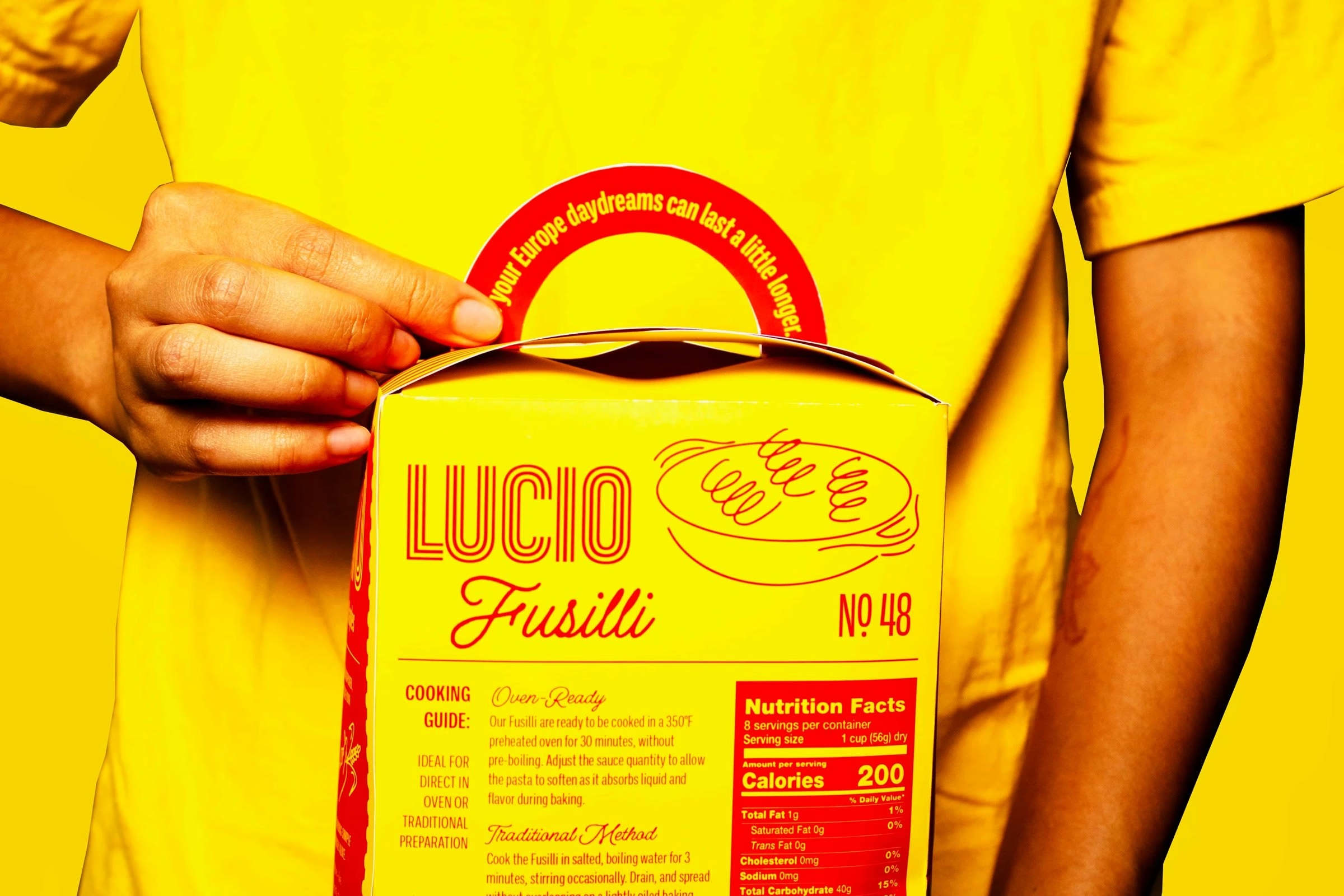
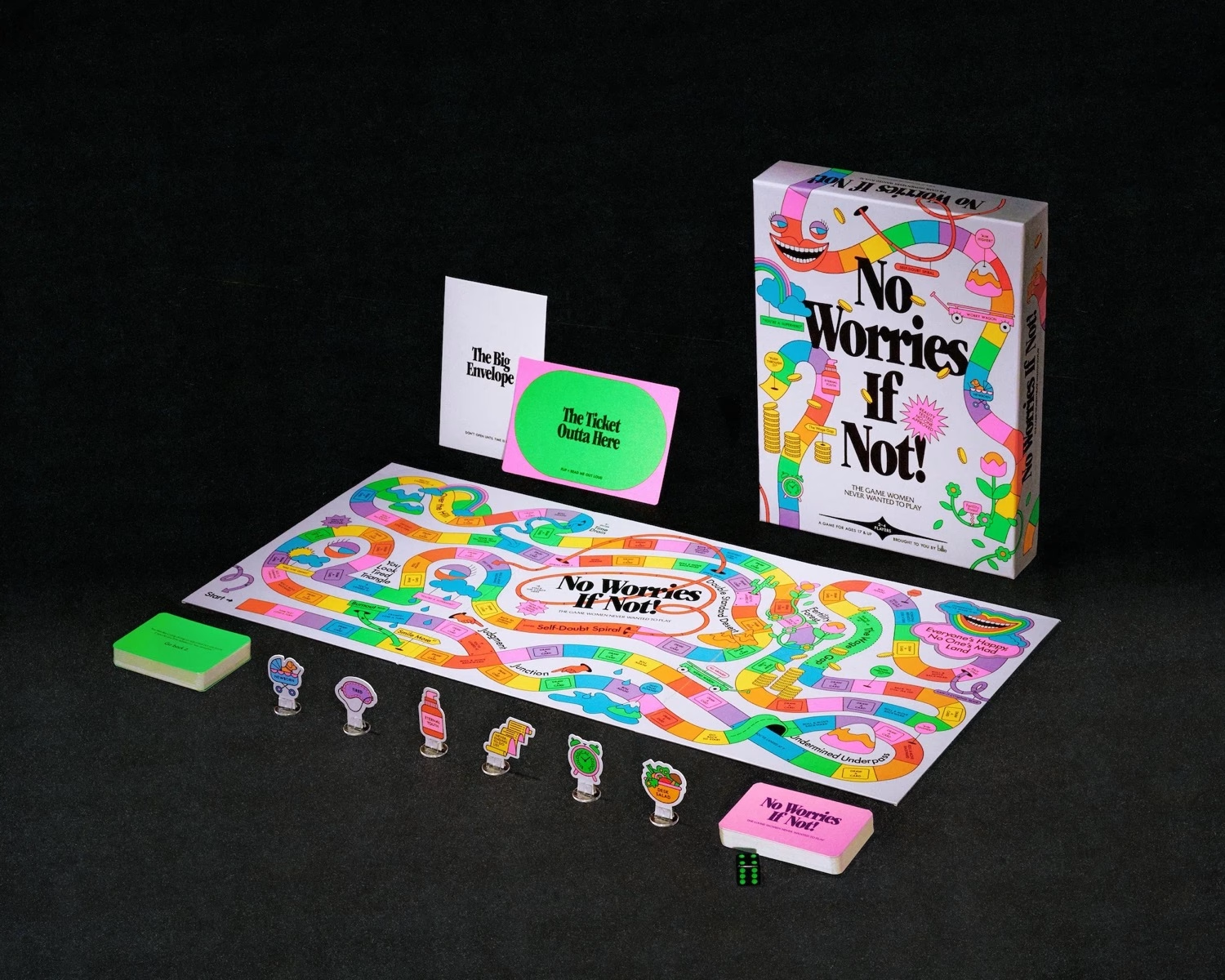
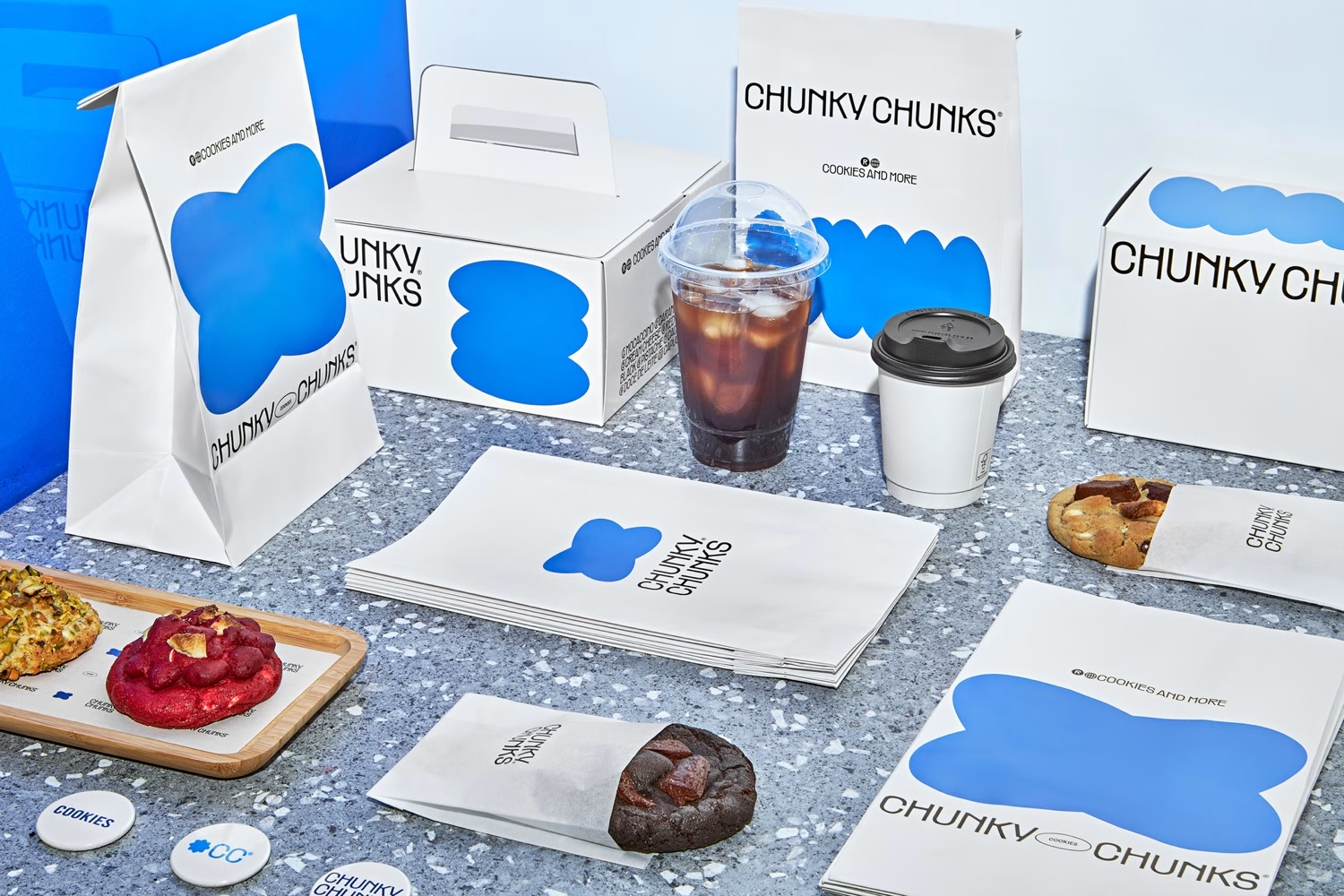
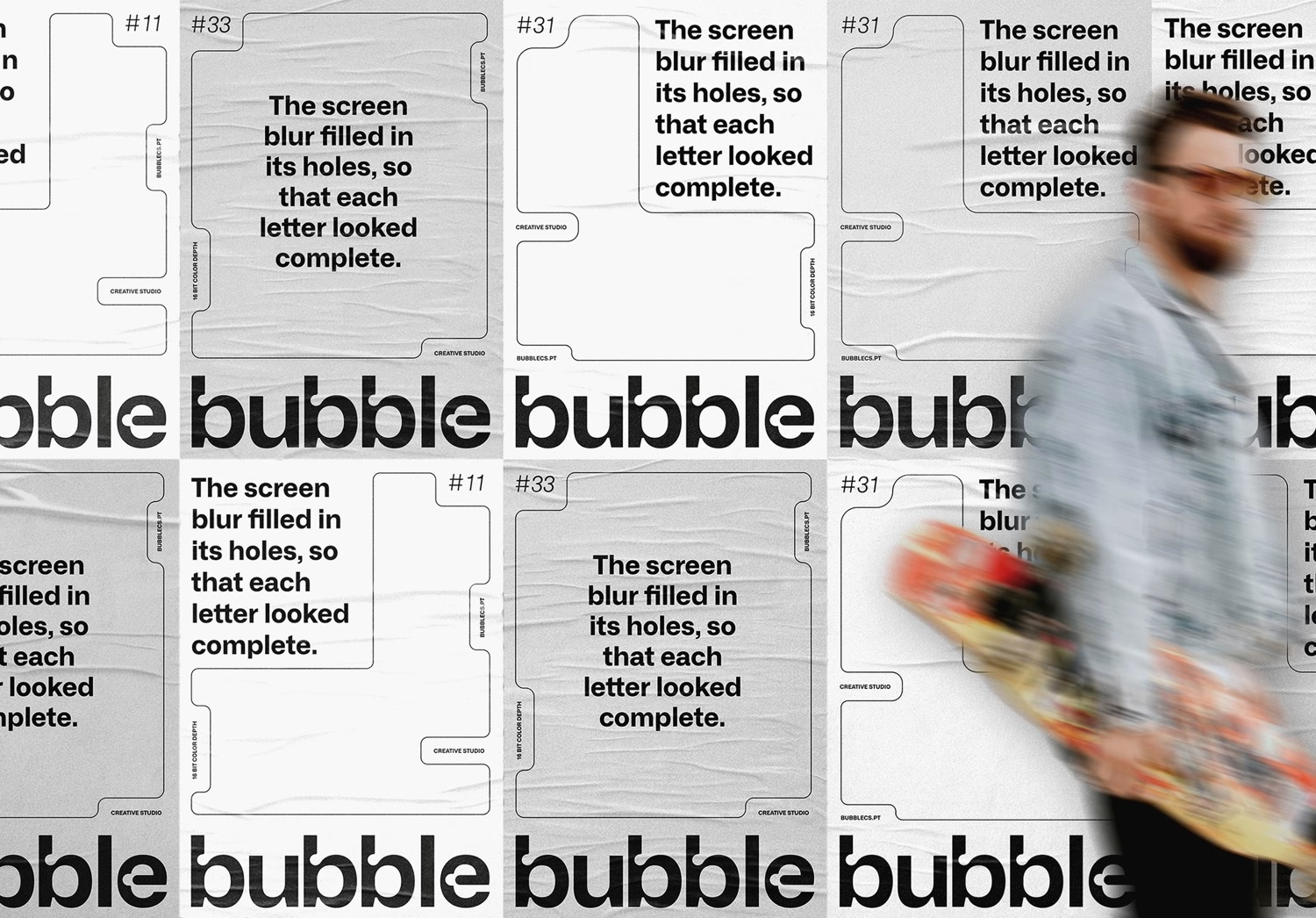
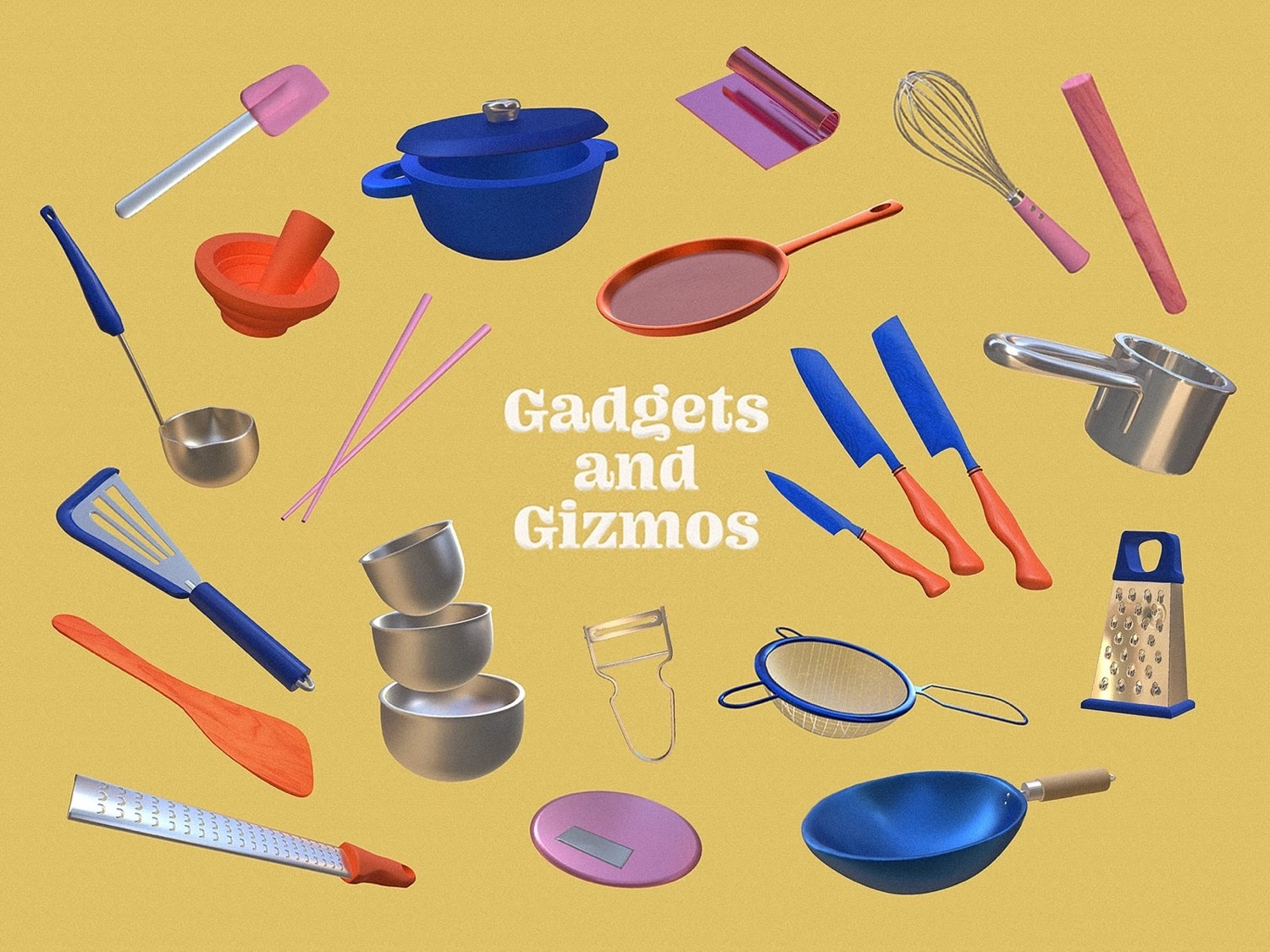
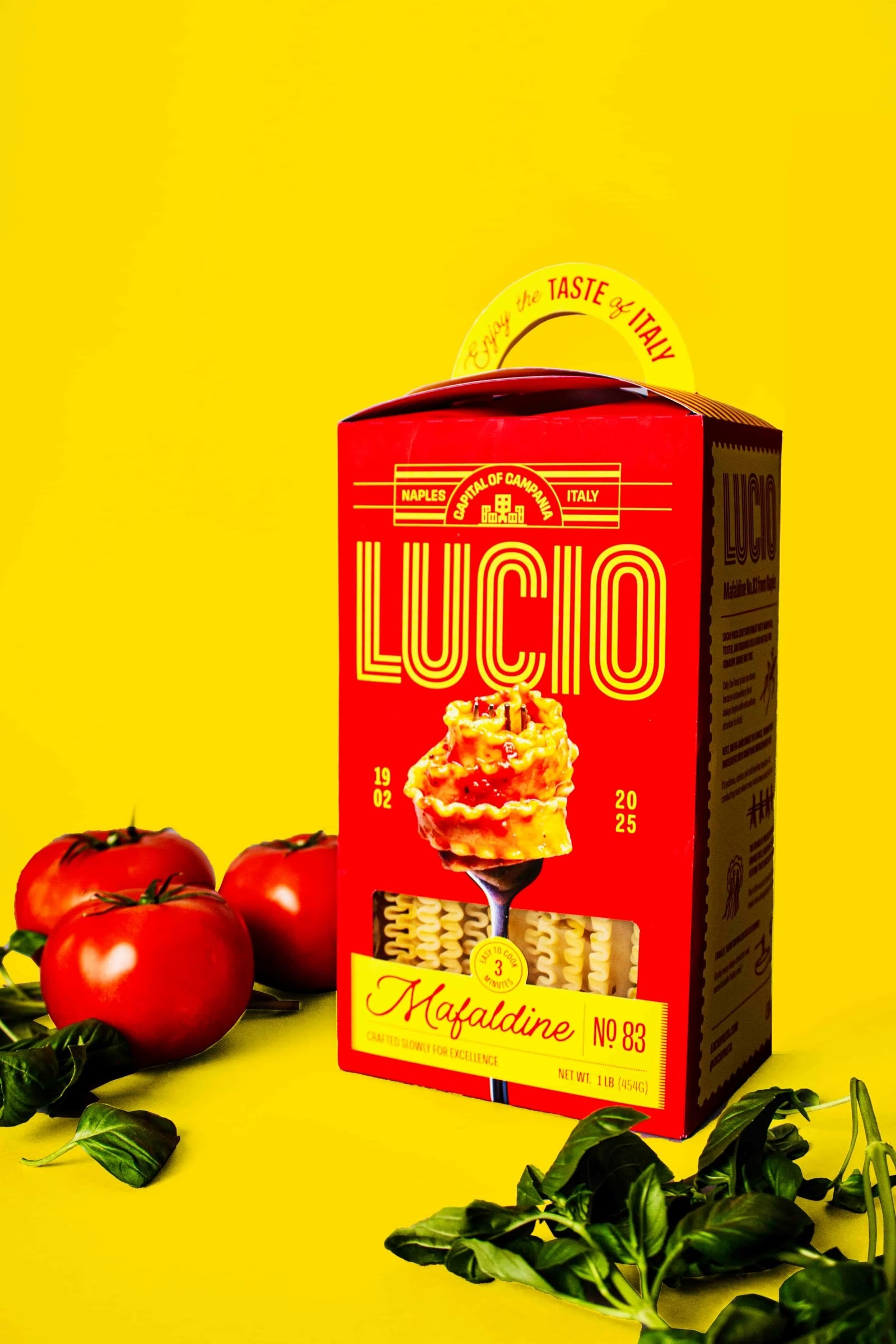
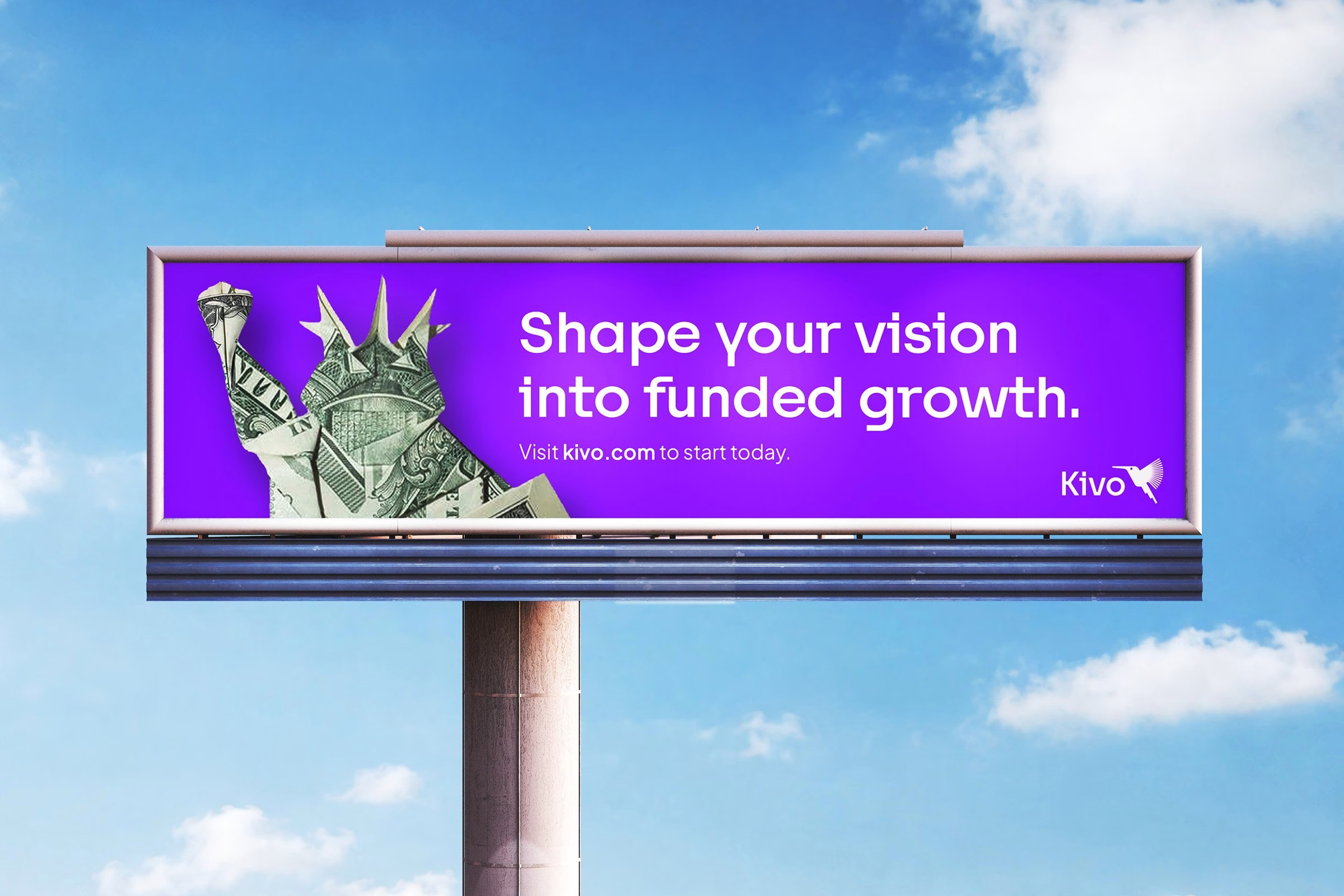
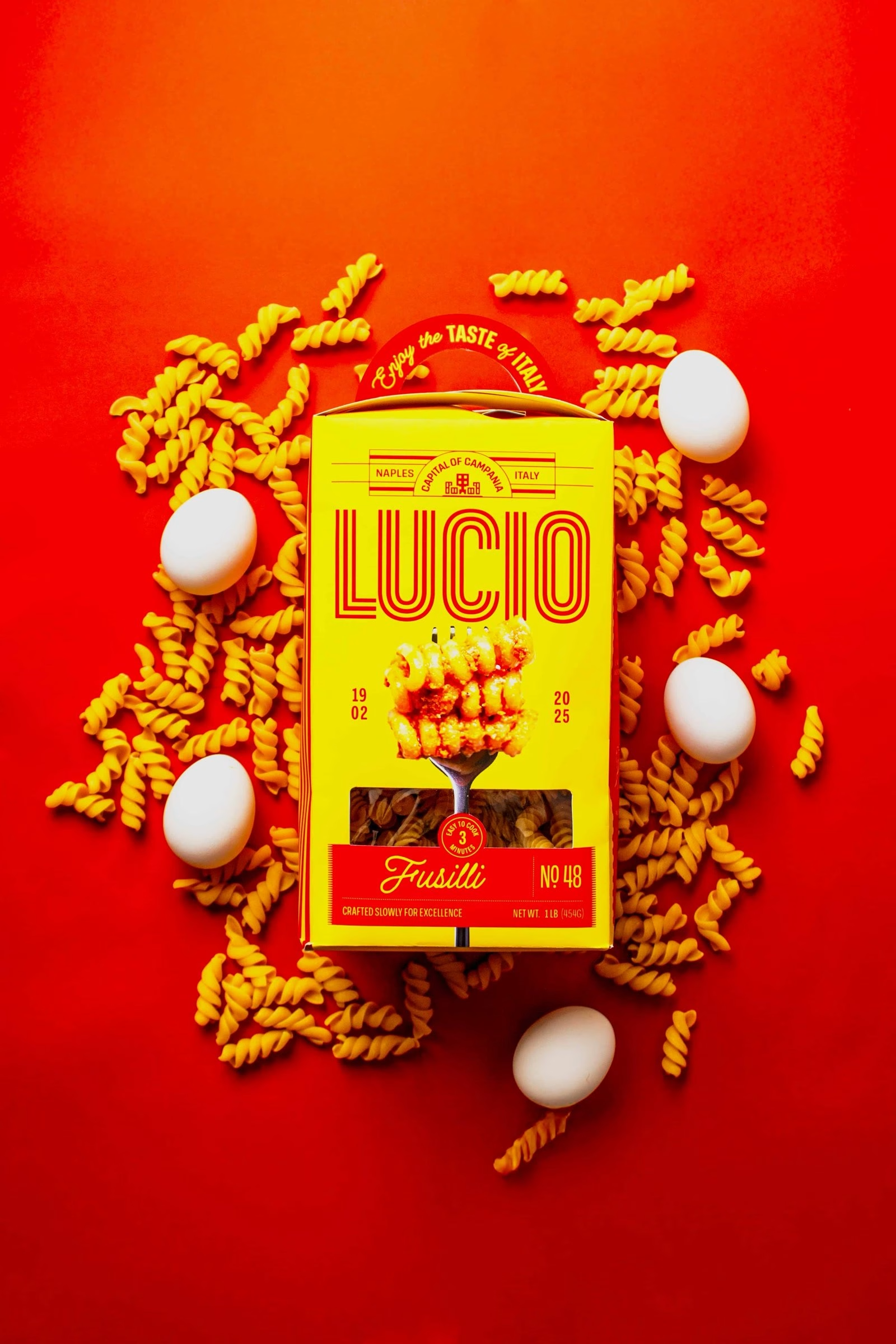
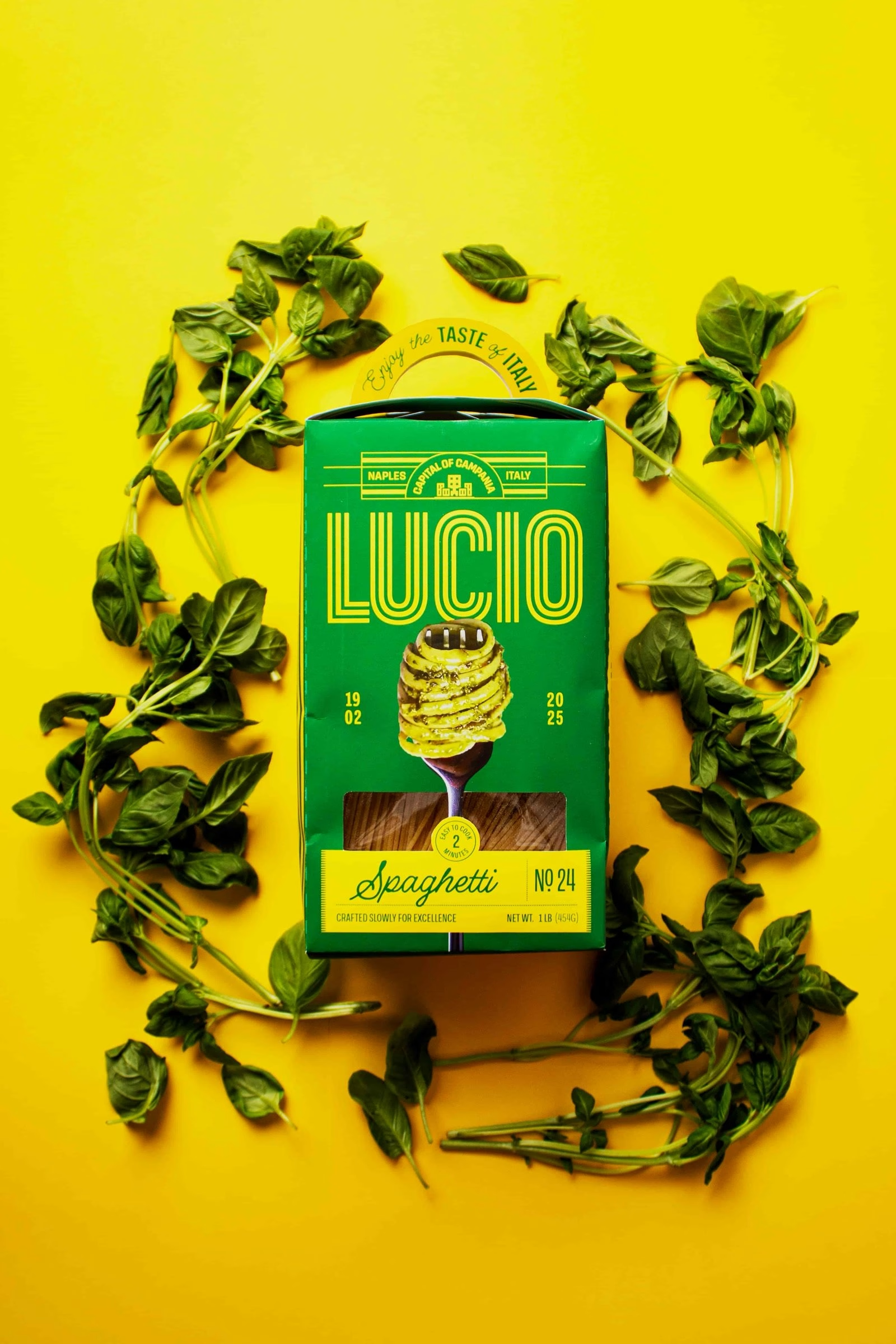
Her portfolio moves between brand identity work for causes and start-ups, packaging, carefully structured digital products and more experimental editorial projects. Lucio swaps the muted beige of supermarket pasta for packs that glow, with each colour matched to its sauce, and Kivo imagines a financial platform for creative businesses. There is also Dash, an AI companion for student-athletes, and Creator, a magazine identity built as a love letter to YouTube culture. A capstone classmate once called her way of working “a silent assassin”: quiet, strategic and precise, with a playful streak that keeps surfacing.
We spoke with Demi about what three continents taught her about design, why she went digging through Hanoi's used bookstores, what she learned about money while designing for creatives, and how she brings a human touch to a semiconductor brand. She also told us about the YouTube channels that raised her, the DJ who shaped her AI app, and the font she would love to make one day.
✜ Hey Demi, happy to have you! You've lived in Vietnam, Hungary and now the US. Looking back, how much have those different places shaped the way you see and approach design?
→ Thank you for the question, Mindsparkle! It has been very fascinating for me moving from space to space. With my deep-rooted love for design, I always tried my best to fully explore and engage in the design environment of those continents.
I started doing design for school and non-profit projects in high school in Vietnam. So in those earlier days, it was more about observing how a developing, fast-growing Asian country navigated design and exploded with it. Asian countries like Vietnam, Korea or China are incredible with their technical precision and push the craftsmanship of every project to its absolute limit. That's why we have up-and-coming studios like Antiantiart, Fustic Studio and M-N Associates, or prominent designers like Gydient, who is now Design Director for Koto, or Duy Dao, who worked for over a decade in the States, is now designing for the biggest brands in Vietnam and was nominated for Emmys. Asians are incredibly driven, hardworking and technically precise. This is where I learned a lot of my initial traditional drawing (figures, still life, etc.) and software savviness.
I moved to Hungary during my gap year with my parents. I have had around two years of on-and-off engagement with design communities there, counting every time I visit. I mainly went to a lot of galleries and museums and took summer courses with the RCA (Royal College of Art) and UAL (University of the Arts London). It's very interesting to talk about design in European countries. There is the parallel of having both a very controlled style like the Swiss International Style and the places where most graphic design exploration and innovation happens, like Pentagram's London office, or David Carson right after he learned Swiss design.
I learned both there, although I feel like I should explore more in my design, over the practicality I always push. Europeans are way more laid-back and free with their design limits, and manage the workflow in a much more humane and organic way. This is where I learned to add a lot of playfulness and not take my design too seriously.
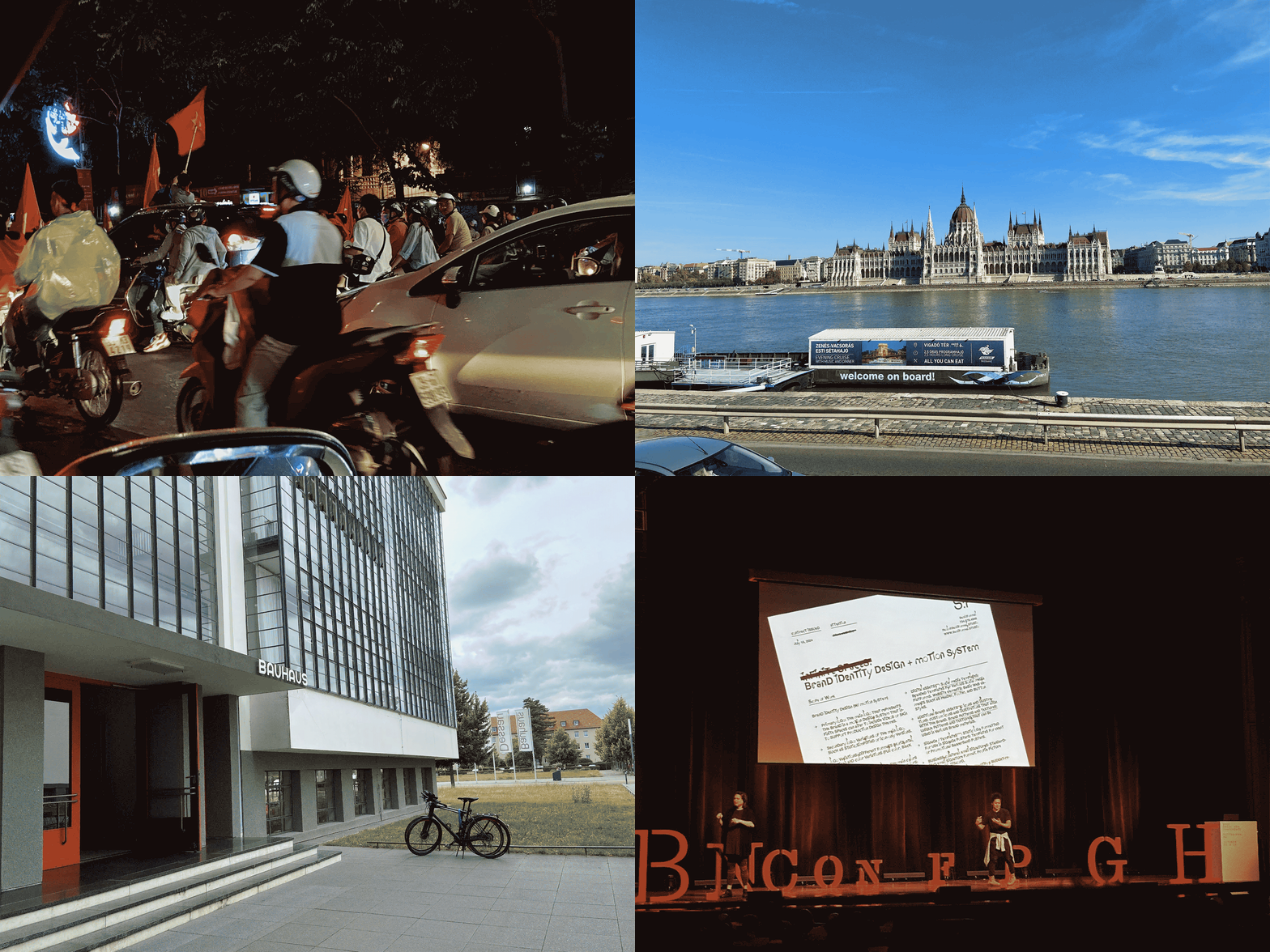
The US is the most influential country in my design career so far: I studied my entire Bachelor's degree here, gained work experience early in college, and absolutely dived into the design community where I live (the Dallas–Fort Worth Metroplex) and into conferences around the States (mainly ones from UnderConsideration). Americans are very efficient, business-practical, systematic, strategic, and networking masters. Through a lot of exploration here, I learned that my biggest strength in design is strategic design and navigating complex systems. My knack is turning a very complex project with an almost impossible timeline (obviously not every day) into very tangible, clear, distinctive design production. I really love the research and business side I got to learn here.
So I guess, growing up in high-skilled and driven environments, the way I approach design is very strategic, efficient and concisely complex, with a hint of playfulness and emotion. That's why I have projects like Creator, Kivo and TCU. I recall one time my capstone peer referred to my way of designing as “a silent assassin”.
✜ You've been exposed to quite different ways of thinking and learning. Was there anything about studying design in the US that surprised you, or something you had to unlearn along the way?
→ Like I overexplained a bit in the first question, Americans are very business- and result-driven. Everything taught here, at least in high-ranked programs, is research- and strategy-driven. This means people are more cautious, can be judgemental, and most of the time you work a lot with the marketing and business side. In simpler words, it's not just about enjoying a good design.
The best environments I've worked in are the ones that create very professional work but never take the work too seriously. In the past, I was involved in a lot of competitions and awards, but it can get exhausting toward the end. Those things can make no sense and are a bit too ego-driven, because, at the end of the day, design is just a job. Designers always try their best to consider everyone's needs, and every project has its own significance and meaning. So I wish people would make more room to recognise and enjoy that here. Even for me, the whole reason I pursued this career is seeing how far a good design can reach, and how it can get things to the people who most need to be listened to and cared for. Doing design as its own act is already a privilege to serve, for me.

✜ You founded Vietype, an archive of Vietnamese hand-drawn typography from the '60s to the '80s. What first sparked that interest, and did you discover anything that changed how you see your own cultural roots?
→ It was six months before I moved to Hungary. I spent some time just slowing down and exploring the design environment in Vietnam, which I had never really had the chance to do, given how academic and STEM-driven Asian education is structurally. I went from the museum and found myself wandering into an old, used bookstore. I remember growing up in the early 2000s and seeing how most of the signs were hand-drawn. I always loved and was fascinated by type drawn like that.
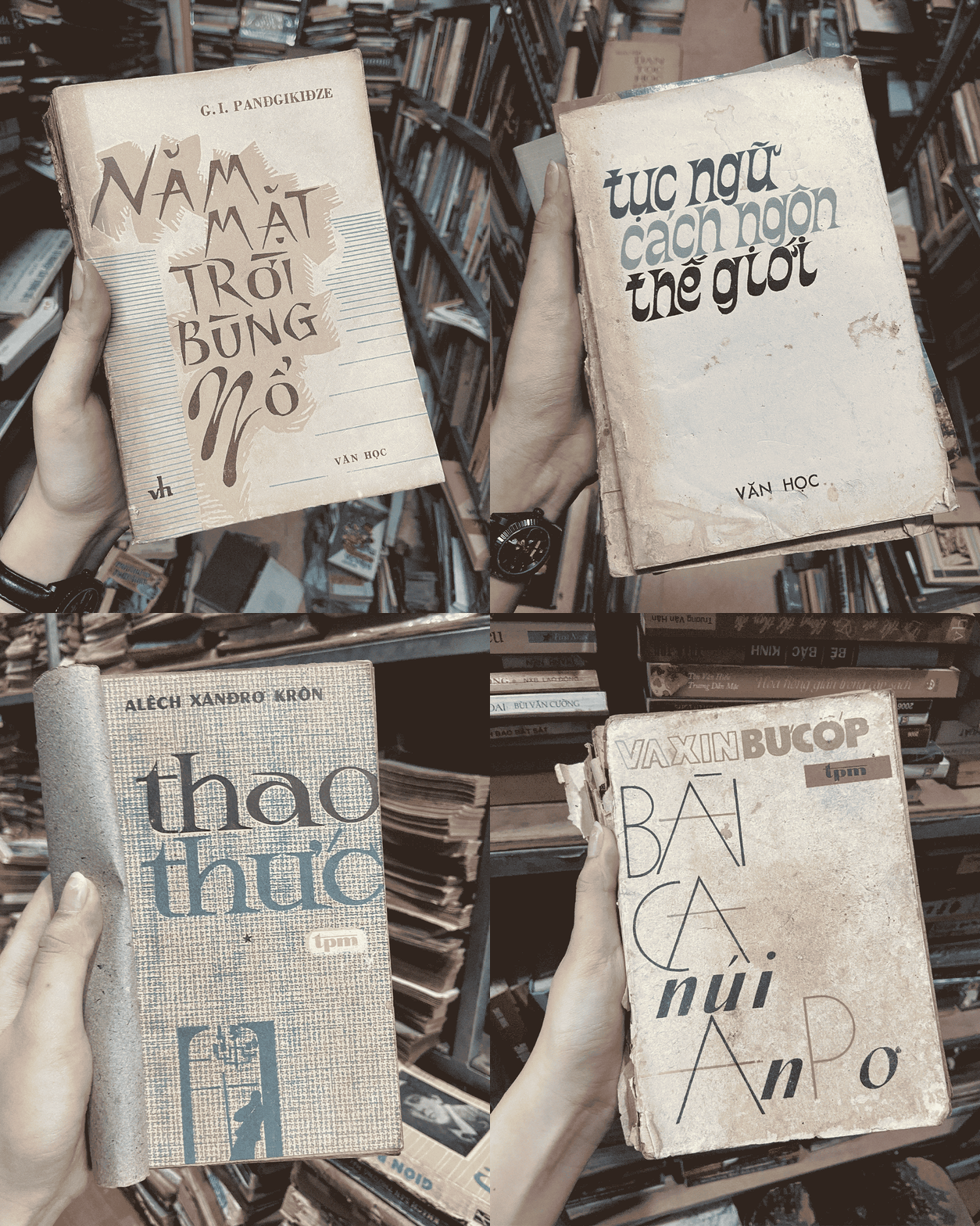
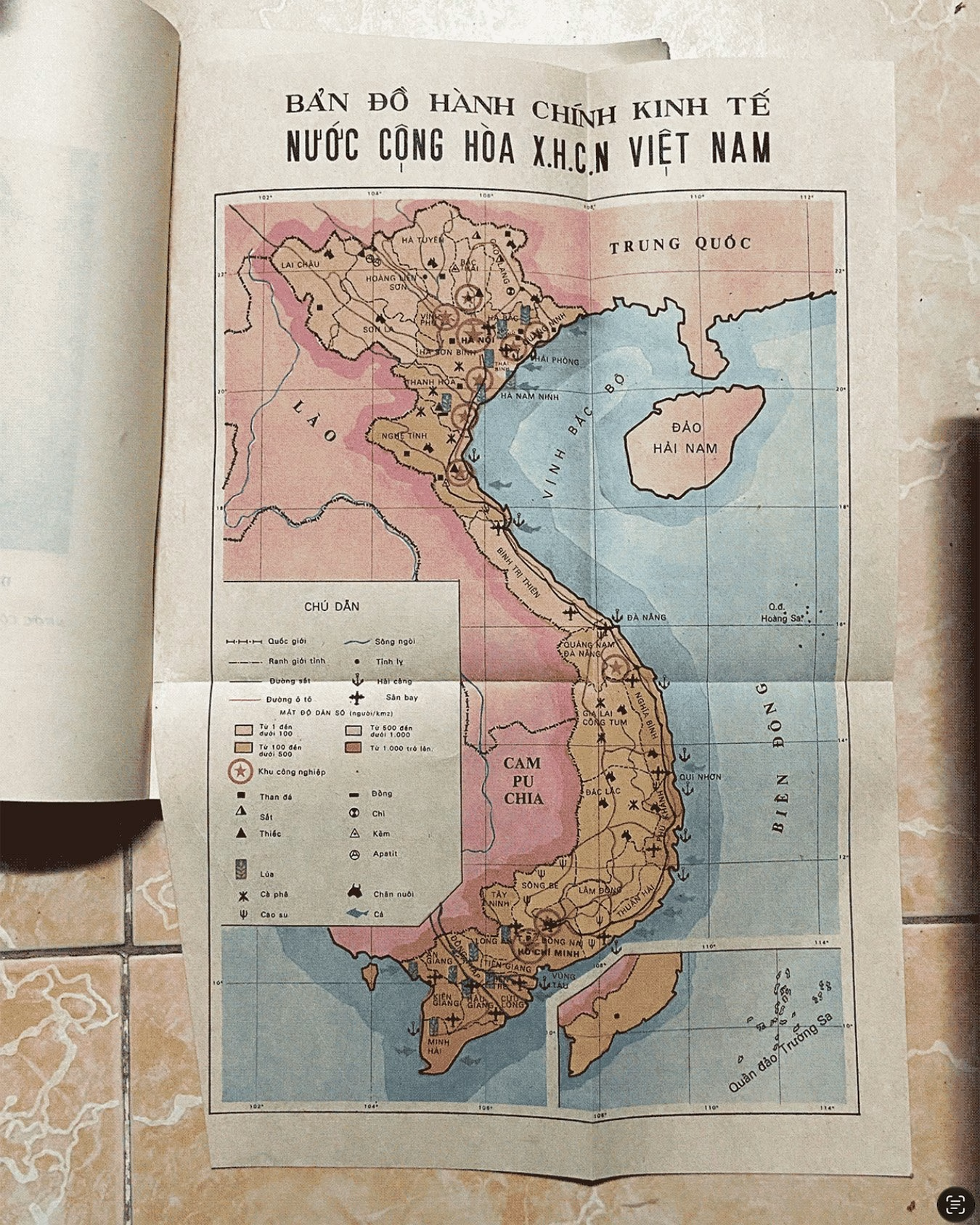
After the 2000s, when the computer arrived, we went through this horrible period where you saw all signs in all caps, bold, red on a white or yellow background (it's so traumatisingly sad). So the books I found in every used bookstore I went to in Hanoi were real artefacts reminding us of the earlier days of careful, heartfelt craftsmanship in typography. We were colonised by the French for a while and influenced by the Chinese throughout our history. On those covers, where you can still see the pencil guidelines, you can tell the cover artists really experimented with different forms and styles of type to tell the story of the book. It was not about efficiency and dropping Arial on a white board.
✜ Your portfolio moves between bold branding, carefully structured digital products and more experimental editorial work. Do you feel you've found your own visual style yet, or are you still enjoying trying on different identities?
→ It's either strategy- or storytelling-driven for me. I can't tell what style I'm in, because I'm never afraid to break the grid where it's allowed. But I love working in tech, supporting complex systems, while occasionally taking on work with more personality for start-ups and media.
My bare minimum is always a clear, distinctive visual idea and legibility (you wouldn't imagine how many times my US professor pulled me into a corner and urged me to care about legibility). I have a tendency to push and play with my design a lot, because I don't like predictable design in my work. I also learned while studying in UK and EU programmes that the first draft is correct, but it won't paint the full, memorable picture that your 50th or 100th draft will.

✜ Let's talk about Kivo. You mentioned that watching your father run a business influenced the project. What did you see growing up that made you want to solve a problem for creative entrepreneurs?
→ The ups and downs of a business versus how much impact and initiative it can carry. The creative industry is definitely more volatile. Like Casey Martin from Play Studio once said in his keynote, “Have you ever seen an agency go IPO?” Those are two different things, but I thought it was funny to mention. My dad is an engineer and his business is very profitable, since it's the foundation of every construction project. But even with a strong choice like that, he still ran into a lot of problems all the time with scaling and management. It was even tougher in the early days, when he was just starting to make his name.
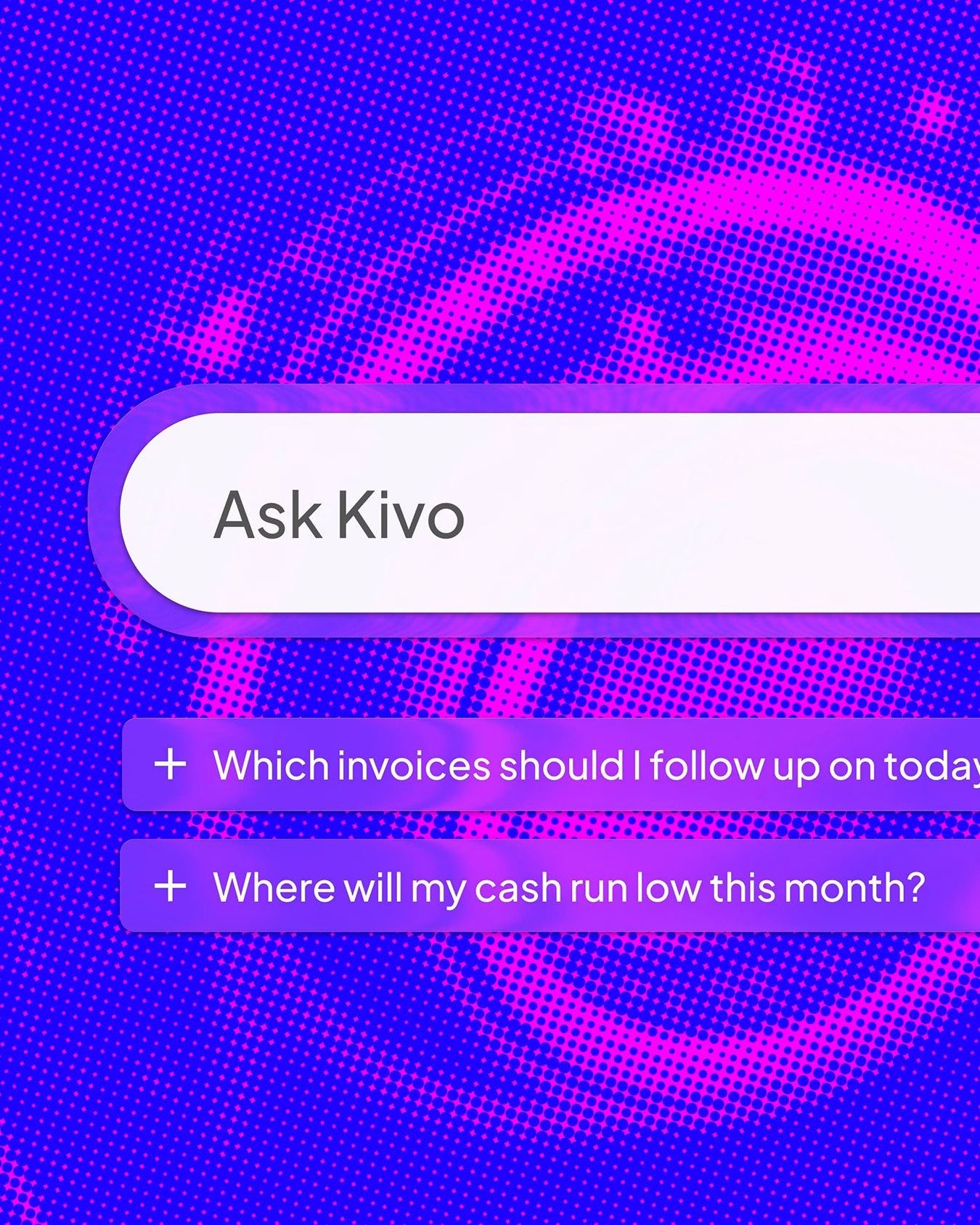
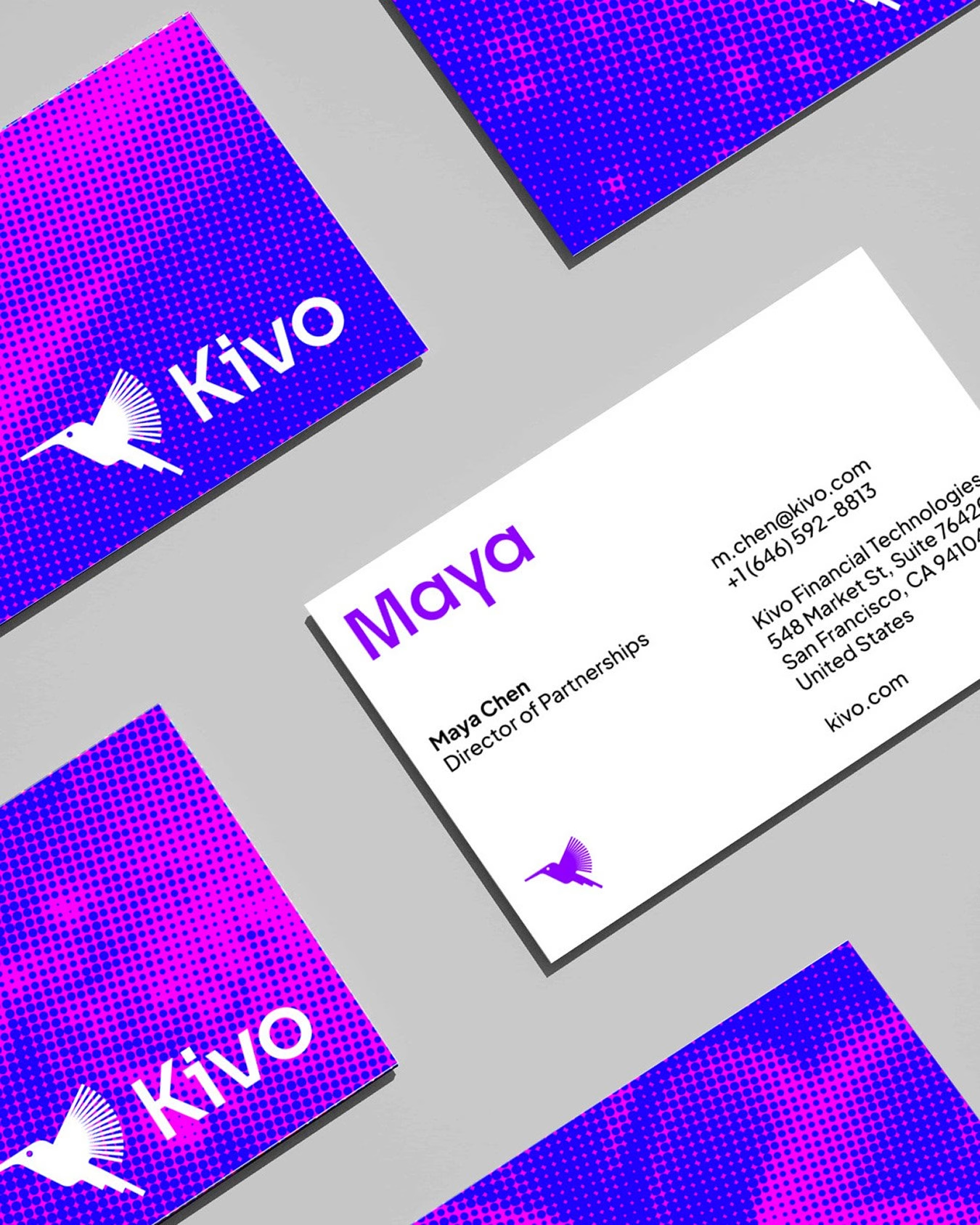
Having a strong business and financial example like that, it was a real puzzle for me, since my talent lies in design. So Kivo is where my design and my background meet. I don't know how I pulled the project off, but I was very proud that I chose it and of how it turned out (you know how much designers hate finance and accounting). I read a lot of finance and business material on the side as a hobby, and it's something I know I have to study more to balance a fun career. I'll never get over how fascinating finance bros are. Our design programme at TCU is tight-knit with agencies too, so I saw a lot of DFW agencies up close and gradually built my lens around how they operate and what works and doesn't.
✜ And while researching Kivo, was there something about the business side of being creative that genuinely surprised you?
→ It's ever-changing and always undervalued. Like the GameStop stock story nobody saw coming, I learned that, with the right investment, it can blow up very well. The pay structure of the creative business is distinctly different from any other: it's Net-60, Net-90. It's hard to predict the next popular design studio or how long a studio will survive. But the demand is there, and a lot of the time it's very urgent. In fact, without the design mask, business and marketing could never communicate or show real emotion. The market really needs us.
All that helped me find out that everything leads back to the structure that supports the system. In the last five years, a lot of financial systems like Ramp, Mercury and Brex have come in to support newly grown businesses. They offer more graceful policies and higher bandwidth for young businesses that can't get support from traditional banking. So why not build one for creative businesses? A system creatives can rely on as a business foundation, something to help them get started. A lot of my financial research still needs to be tested, but I believe an initiative is much needed to aid the creatives, the opposite side of finance.
✜ You're now designing at Texas Instruments, which is quite a different environment from a typical creative studio. What's been the biggest surprise about working inside a global technology company?
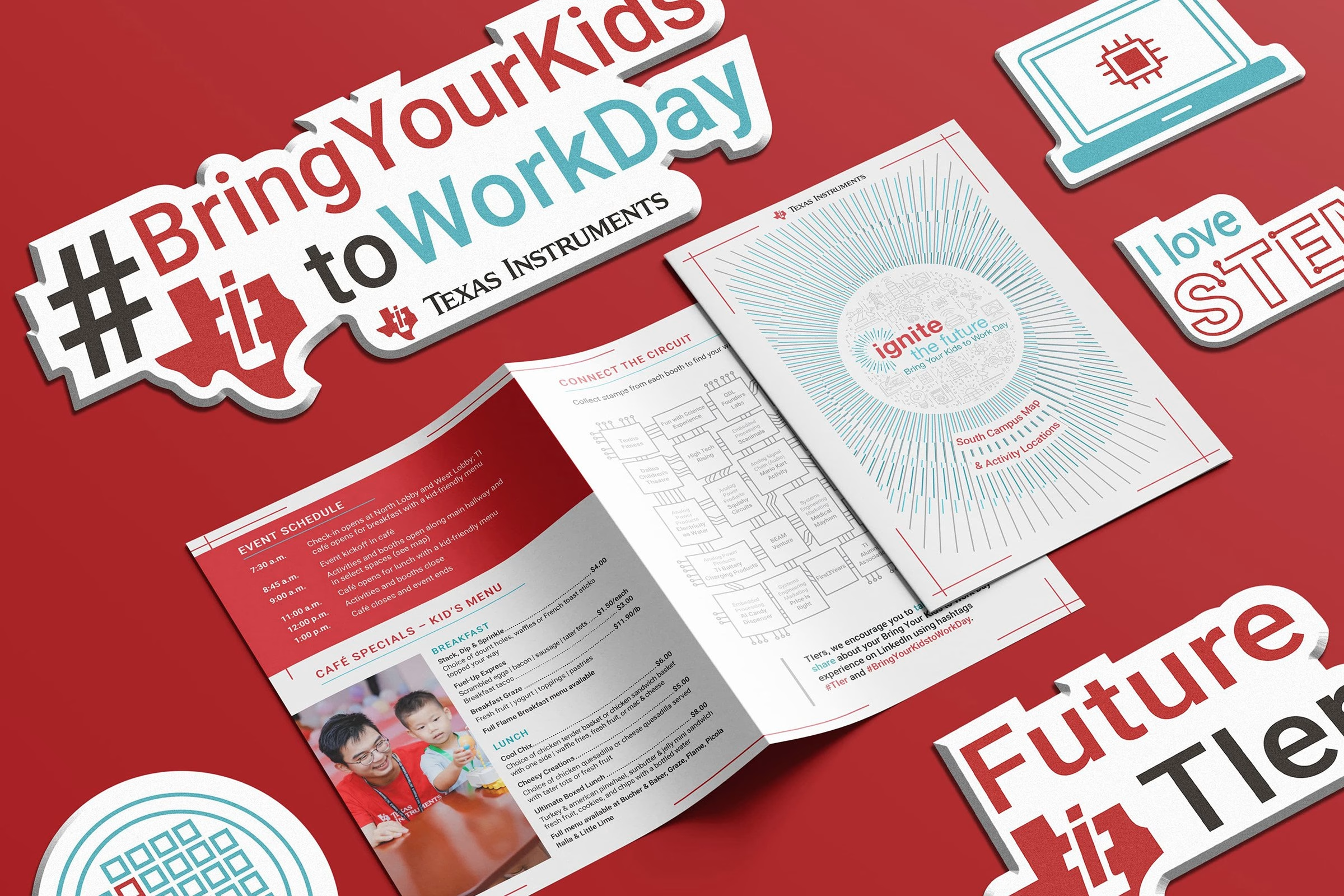
→ I actually interviewed with a lot of agencies, and Texas Instruments (TI) was one of the few in-house teams that pursued me. All through college I thought I would be working for agencies. But the opportunity arose with this technology company, and I do love tech. I would say TI surprisingly fits me way better than a typical creative studio, because the design constraints are more predictable when you work mainly for one client rather than switching shapes every day with different clients. You leave work on time or early and have time to pursue personal projects after hours.
But TI is still a growing, design-forward environment. Before I came, there were a lot of changes and restructuring in our department. There is room to handle high-volume work and room to experiment at TI. It suits me wildly well too, because their technology is very advanced and complex, and I love learning it and making it more approachable to a wider audience. The real challenge is navigating a lot of levels and different markets, and working well with the marketing and business departments on revisions while balancing your design direction for the company.
✜ How do you make something as technical and precise as a semiconductor brand feel fresh and human without losing the seriousness behind it?
→ A lot of pitches, and I keep pushing things where I can. I was handed a lot of the more fun and less heavily supervised projects when I started in June, like events and holidays. Backing up your design decisions with strategy and research also helps other departments see that your decisions are not accidental.
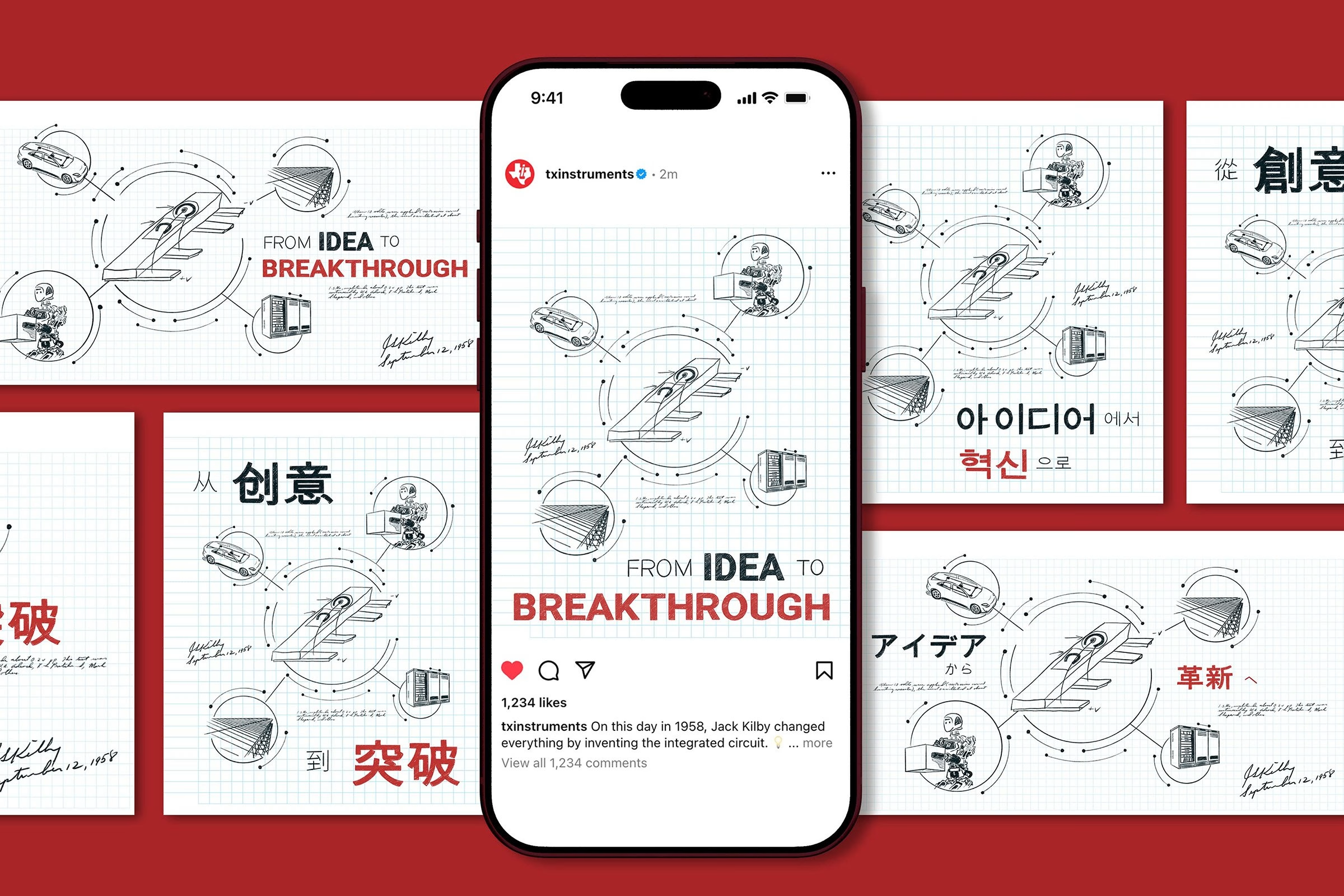
The fundamental thing is that Texas Instruments, like Micron or TSMC, is still a reserved, technically heavy company. In their minds, the priority is always to prove their credibility. So a lot of the change, the human side, comes from leadership initiative and the need for it. Having a separate framework for how you approach different types of audiences, be it engineers or customers, lets you know how much room you have to be more human. Being professional and trustworthy is very important to us. But sometimes, if the design speaks for itself and is tested as an example that shows real, efficient data, it can convince a semiconductor brand to loosen up and be more communicative and playful. It's funny that TI went with me as their newest full-time designer, given how bold and disruptive I am in my work, but I hope I can reinforce their brand so they can better connect with the masses for the genuinely good work they do.
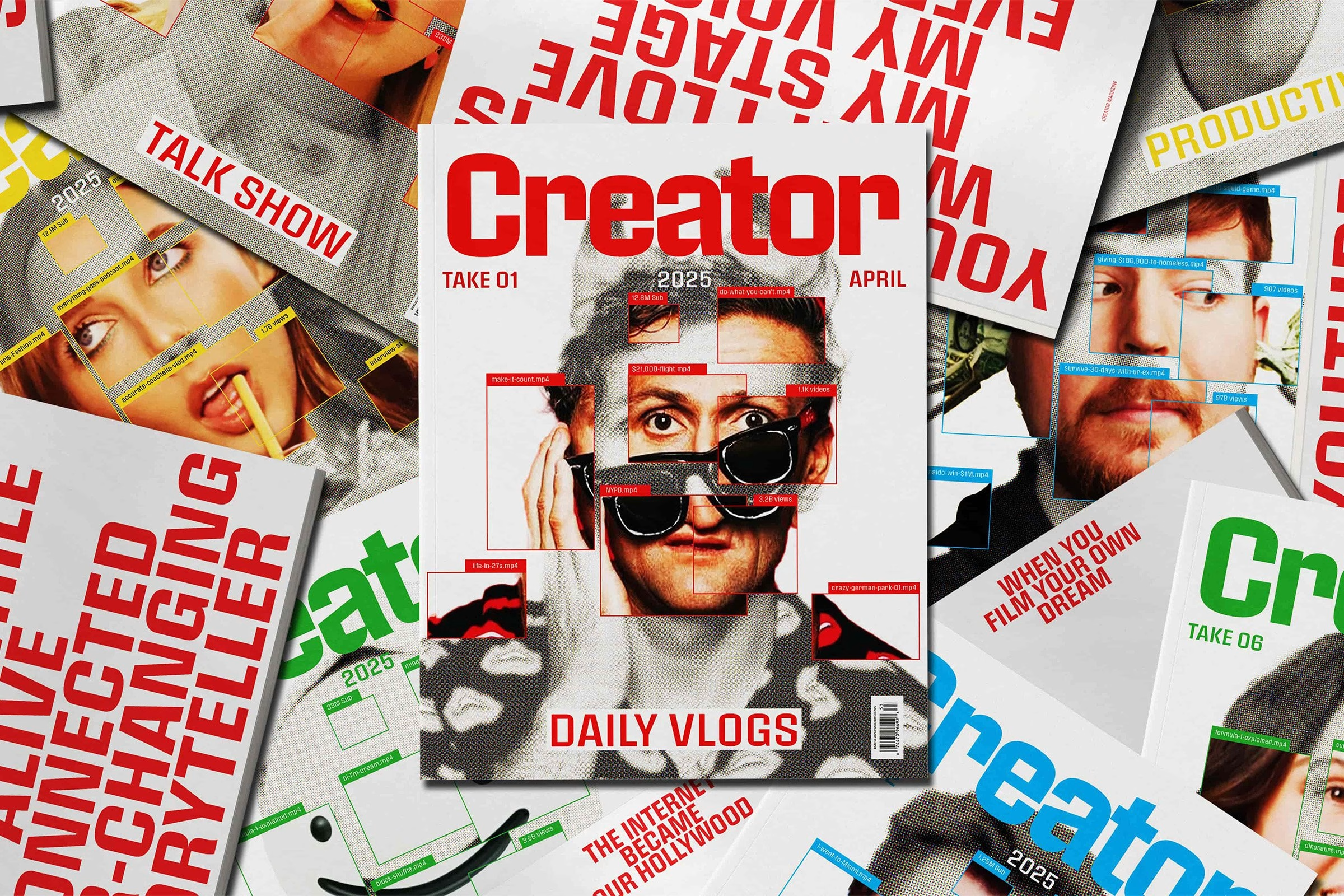
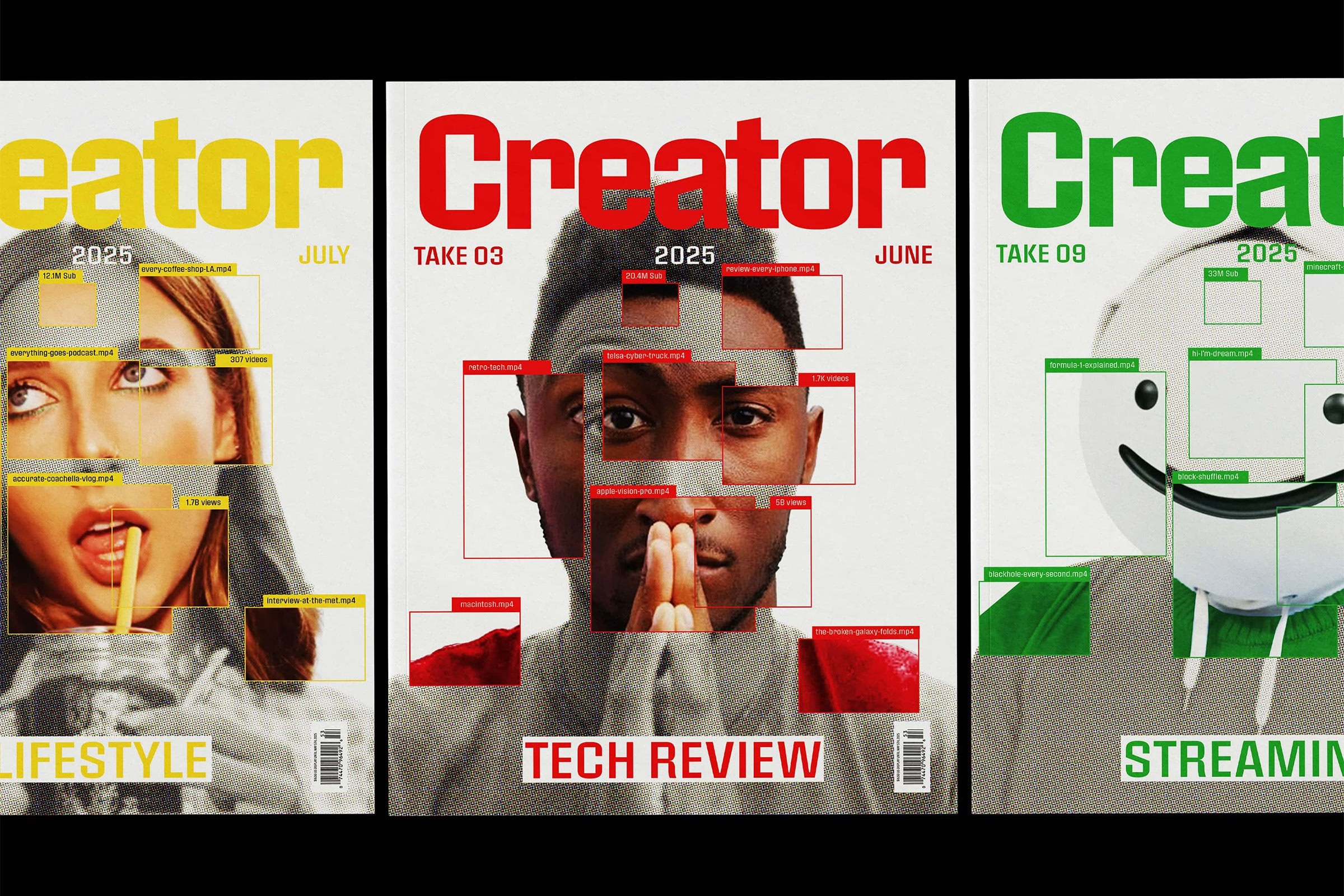
✜ I noticed your Creator project, which feels almost like a love letter to YouTube and the generation that grew up watching it. Was there a creator, a video or an online moment that first made you want to make things yourself?
→ I believe it was the bestdressed channel. It's more girly content, but she was very outspoken about how she felt and saw things, the way she created her fashion and interior projects, and how she moved through life. She doesn't make videos anymore, but she was a hit.
I watched a mixture of different channels and content, but my long-time favourites have always been MKBHD, The Studio, Cody Ko and Life of Rize. I actually loved YouTube and film before I discovered my passion for design. So I guess this explains why my work has a lot of storytelling in it.
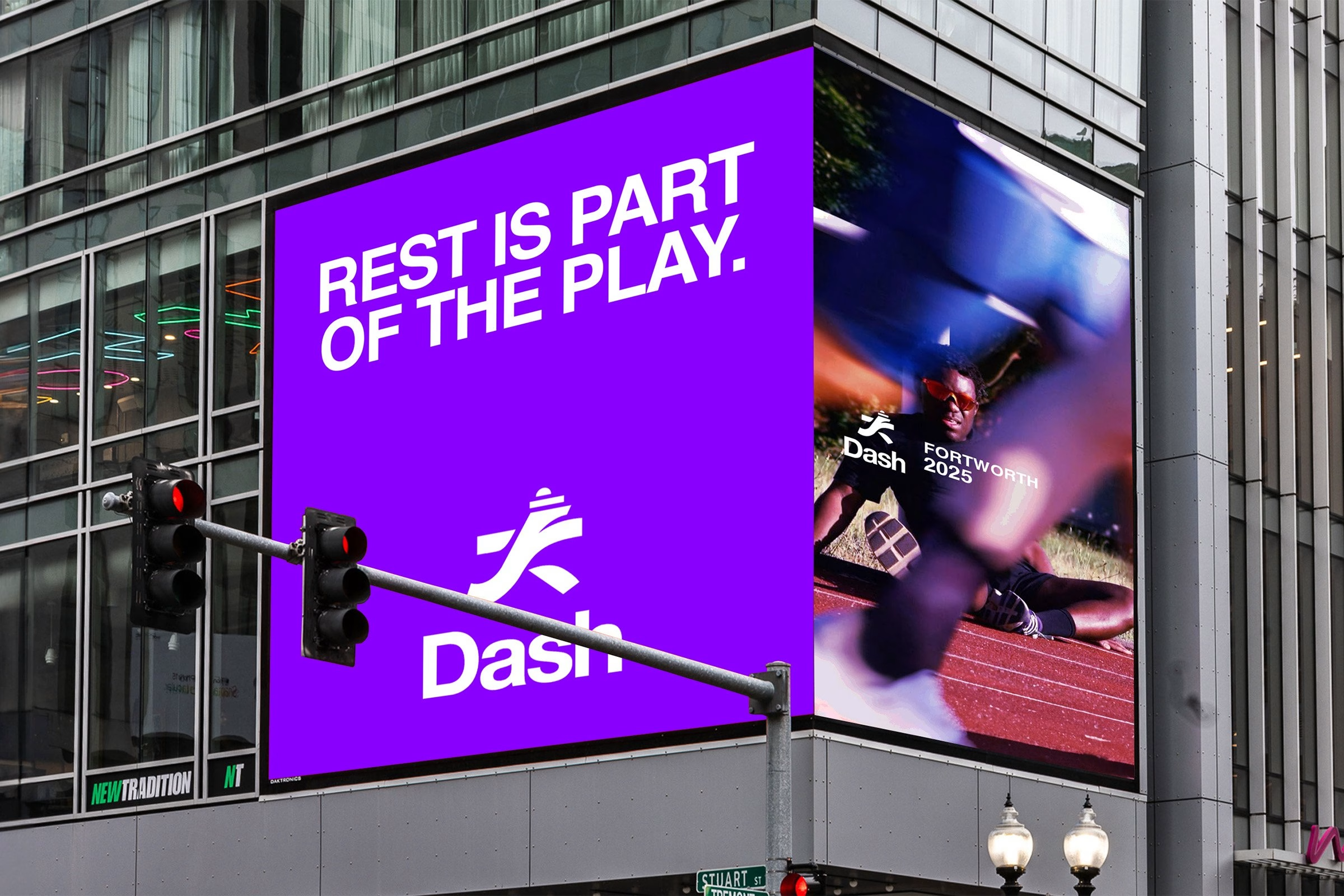
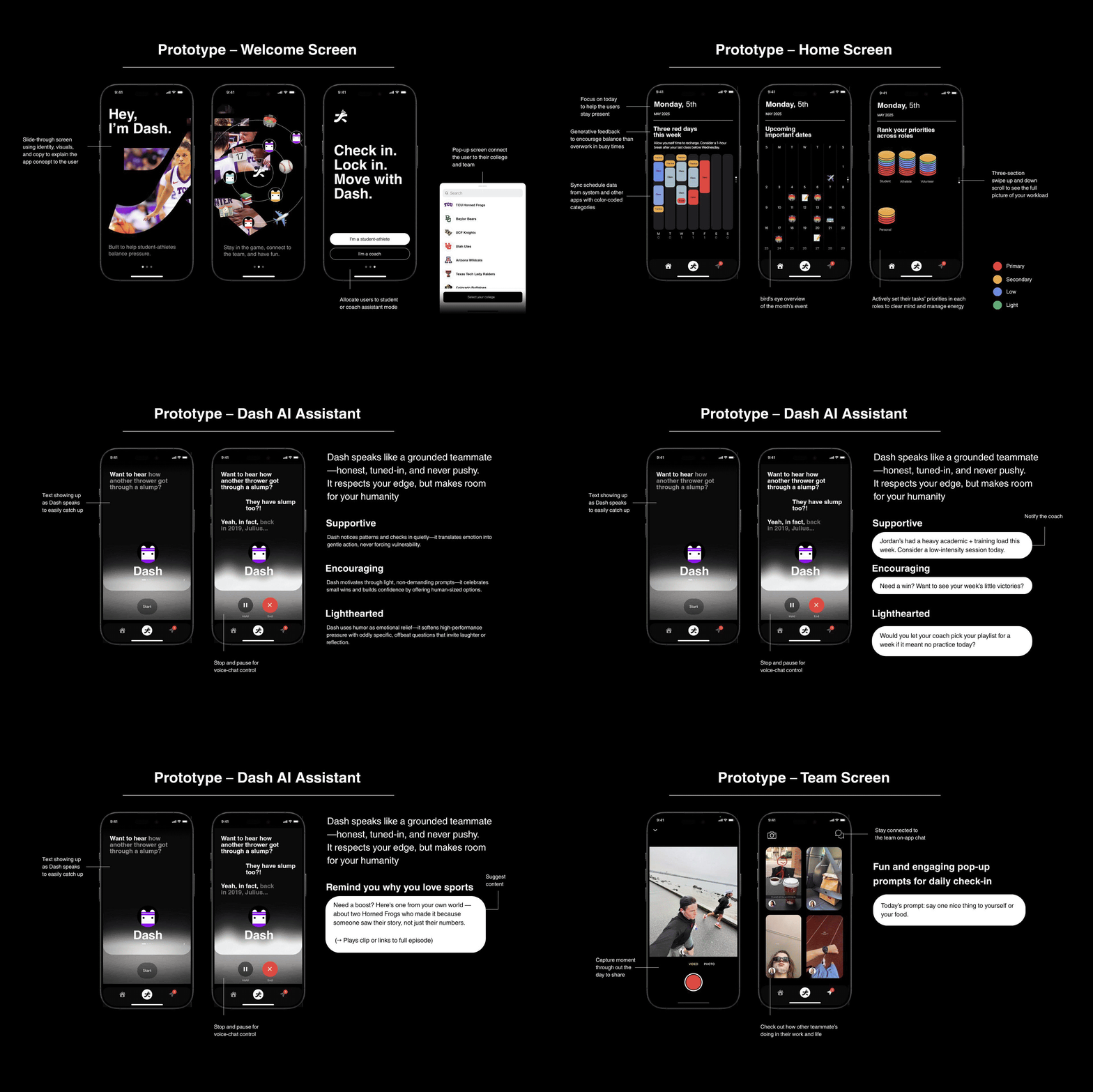
✜ With Dash, you explored how AI could support student-athletes dealing with pressure and mental wellbeing. What was the hardest part of designing something that should feel supportive rather than just smart?
→ It was hard. There was no close existing product to learn from, or a real case study. The project was built as I did more user surveys. Like most of my projects, I drew unexpected inspiration from how things are handled in other sectors. My classmate is a student-athlete and my radio manager is a K-12 coach. A DJ from KTCU Radio whom I listen to closely was the main way I structured my final design.
The main problem of this project is finding the most human way to support student-athletes with an AI tool. So you have to base your model on someone approachable, great and understanding of what student-athletes really need. My friend and my manager gave me a lot of insight, but the DJ, with his own sports show, really showed me how to talk to and care for student-athletes. It's hard being a student-athlete in the US. You travel all the time, your scholarship depends on your performance, and you have a whole major to study for aside from the sport. As you know, Americans can be very competitive and stats-driven.
So having that DJ as my model was key to my final design: someone who has a passion for every sport, does his research and knows the student-athlete's journey, yet approaches every student-athlete he covers with empathy, showing the precise stats while seeing the story behind the numbers. Those details, and making sure the app worked well and felt fun, like a small social community, were what my project was about.
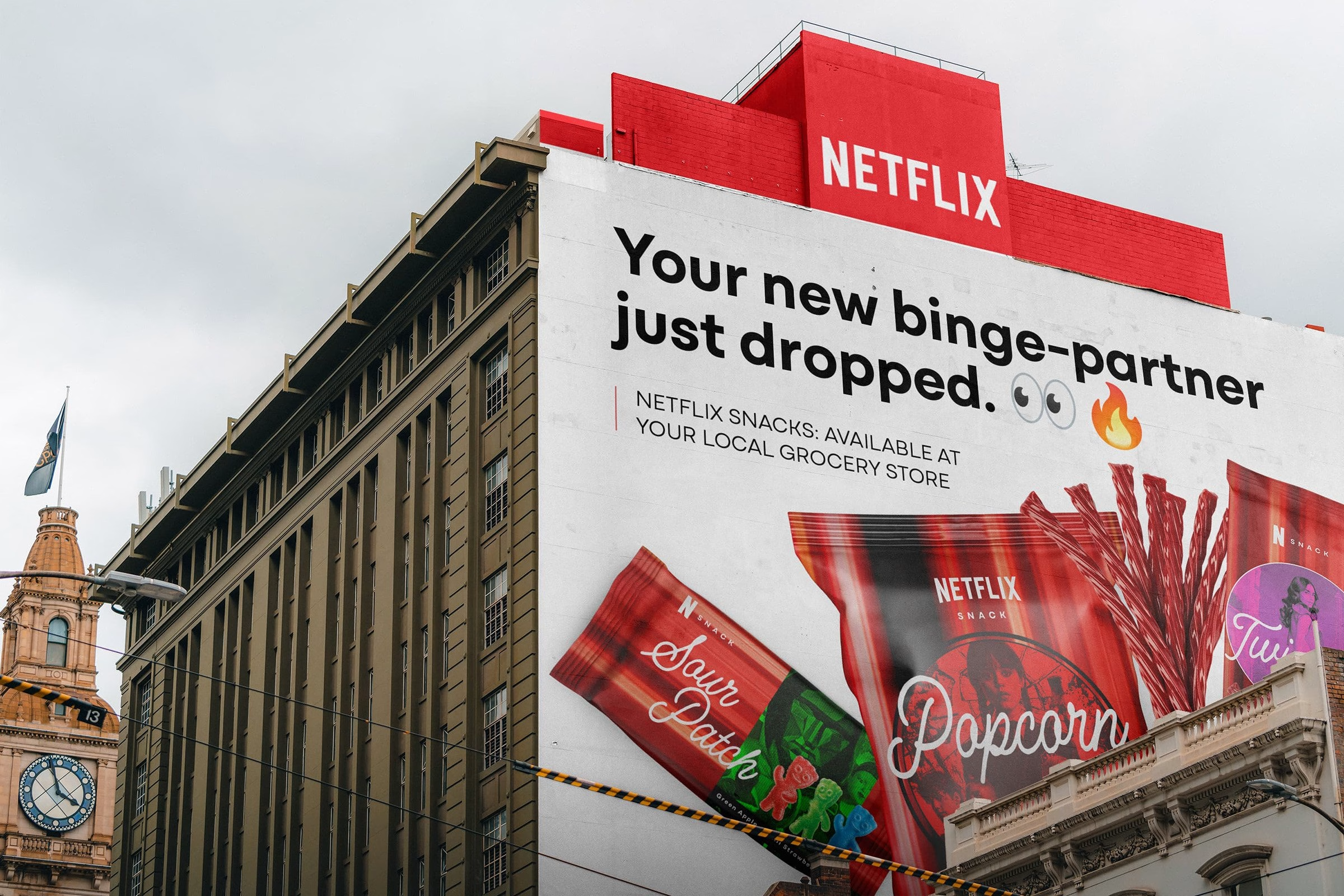
✜ Your Netflix Snacks concept is playful, colourful and very pop-cultural. Do you enjoy these imaginary briefs because they give you more freedom, or do real-world limitations sometimes lead to better ideas?
→ Real-world limitations might be better for me, because these ad briefs are really hit or miss for me. I did nearly ten ad projects but only put two up on my website. I can get too imaginative with my ideas when there isn't a clear problem to solve. But that one was fun, since it was just an idea floating around and we landed on something really fun and trendy.
✜ You already have quite a mix of client work, personal projects and awards behind you. What's something about design you were completely convinced of a few years ago that you've since changed your mind about?
→ That the best design or idea is what matters in the end. Although I read a lot of designers saying that being design-led or idea-led is very important, to me, when you focus on a non-human goal too much, you can overlook the process, the collaboration and the humans behind it, just to make sure your idea shines brighter than anything else. I learned this repeatedly after I started working in my sophomore year, through lots of hard conversations with managers and teams, or by being turned down in award submissions.
So now I like to be flexible, keep a balance, and put my care and interest in the right place. Of course, I will still innovate. But the experience, the connections, the people you work with and the meaning of the story our team represents are a more important goal for me now, lol.
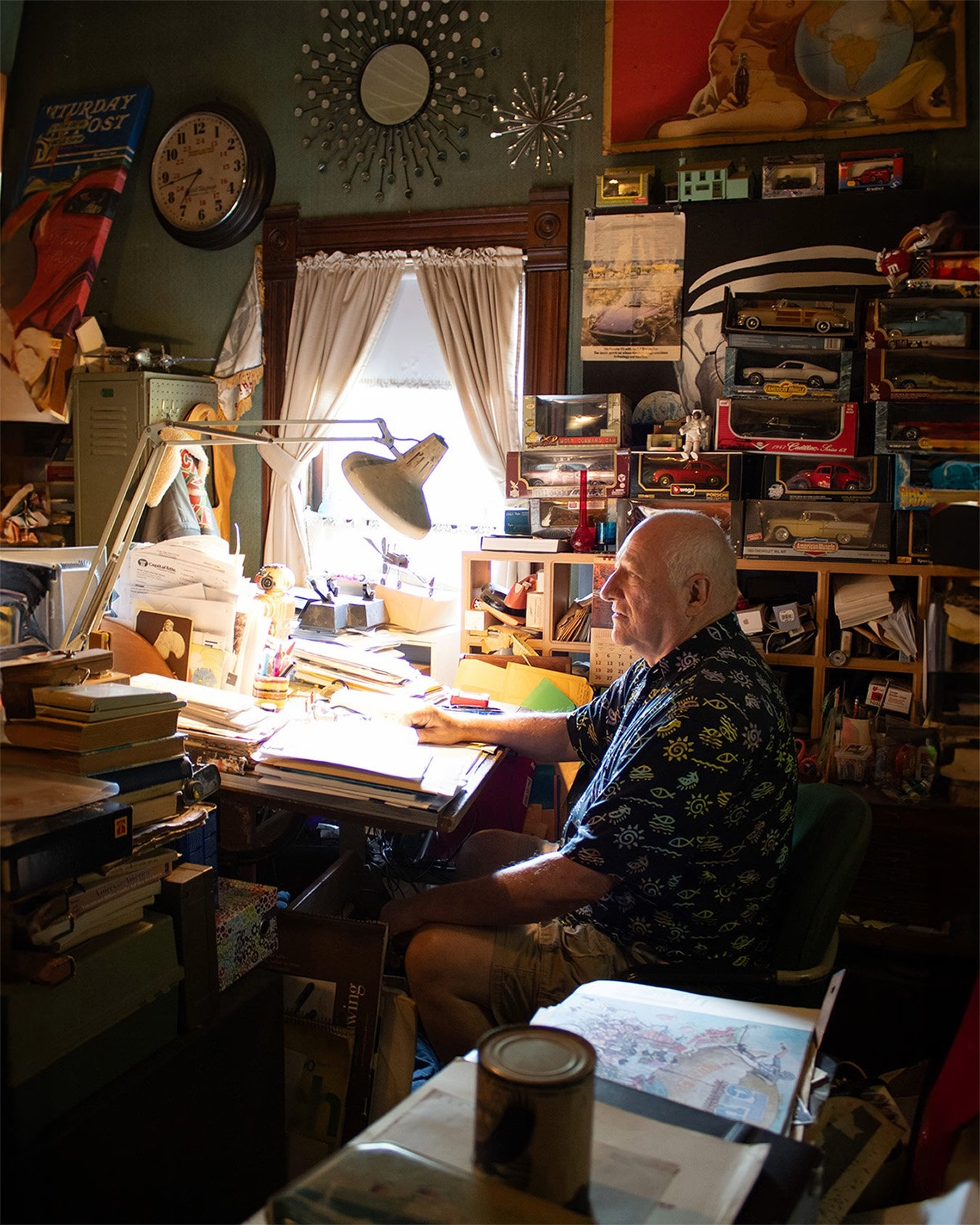
✜ You also have a whole photography section in your portfolio. When you're out with a camera, what catches your eye that you might otherwise walk straight past?
→ Mountains, streets and passengers. I still love mountains the most. As a designer, you love noticing things, so I guess that's why a lot of designers pick up photography. My favourite photographer is Saul Leiter. His work is so ordinary, but hidden in it is so much emotion and gentleness.

✜ Last one: if you could spend an entire year making something without a client, deadline, budget or design brief, what would you love to create?
→ I probably wouldn't get anything done. I would get lost in the exploration. I tried doing that once in my gap year, but ended up just taking whatever came up (an interior design project). But if I'm genuinely considering it, I would love to learn and craft a really good Vietnamese font, or create a whole illustration series or campaign about dogs.
What ties Demi's work together is a habit of starting from structure and ending with feeling. Kivo begins with Net-60 invoices and her father's construction business, and ends as a warm, confident brand for creatives. Dash begins with survey data and stats, and ends with the voice of a campus radio DJ who sees the story behind the numbers. Even Vietype, her archive of pencil-guided book covers from Hanoi's used bookstores, is research in the service of something tender.
She is early in her career, yet already clear about what she wants design to do: reach the people who most need to be heard, and make complex things approachable without dumbing them down. Whether that next step is a Vietnamese typeface, a campaign about dogs, or slowly loosening up a semiconductor giant, Demi Nguyen is a designer worth watching.
More in Interview
Stay on top of this week's design. Insights, top picks & more.